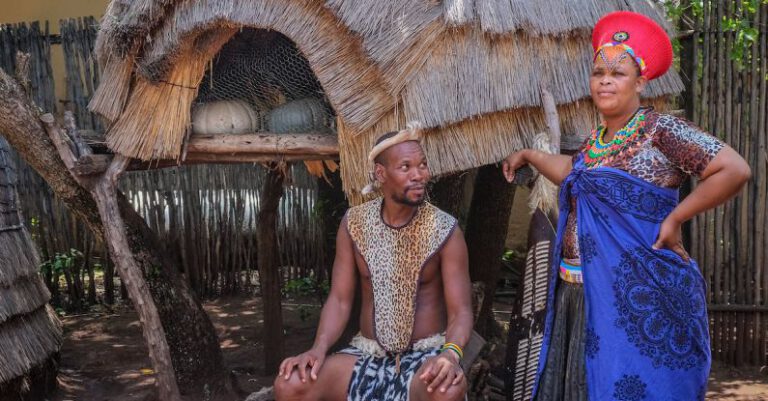
How to Celebrate Cultural Differences in Teams?
In today’s globalized world, teams are often composed of individuals from diverse cultural backgrounds. While this diversity can bring numerous benefits to a team, it can also present challenges if not properly managed. Celebrating cultural differences within a team is essential for fostering inclusivity and creating a harmonious work environment. In this article, we will explore some effective strategies for celebrating cultural differences in teams.
Creating a Culture of Inclusivity
To celebrate cultural differences, it is crucial to create a culture of inclusivity within the team. This means actively promoting an environment where all team members feel valued and respected, regardless of their cultural background. Encourage open communication and create opportunities for team members to share their unique perspectives and experiences. By fostering an inclusive culture, team members will feel comfortable expressing their cultural identities and sharing their traditions with others.
Organize Cultural Awareness Workshops
One way to celebrate cultural differences is by organizing cultural awareness workshops within the team. These workshops can provide team members with insights into different cultures, helping them develop a better understanding and appreciation for diversity. Invite team members to share aspects of their culture, such as traditional food, music, or customs. This not only educates others but also creates a sense of pride and belonging for those sharing their cultural heritage.
Promote Cross-Cultural Collaboration
Encouraging cross-cultural collaboration is another effective way to celebrate cultural differences. Assigning team members from different cultural backgrounds to work together on projects can foster an environment of learning and appreciation. By working closely with individuals from diverse cultures, team members can gain a deeper understanding of different perspectives and approaches to problem-solving. This collaboration can also lead to innovative solutions and improved team dynamics.
Celebrate Cultural Holidays and Festivals
A great way to celebrate cultural differences within a team is to acknowledge and celebrate cultural holidays and festivals. Consider organizing events or activities to commemorate significant dates from different cultures represented within the team. This can include celebrating Chinese New Year, Diwali, Ramadan, or any other cultural holiday. By participating in these celebrations, team members can learn more about each other’s traditions and strengthen their bonds.
Encourage Language Exchange
Language is an essential aspect of culture. Encouraging language exchange within the team can be a fun and educational way to celebrate cultural differences. Team members can teach each other basic phrases in their native languages or practice conversational skills during lunch breaks or team-building activities. This exchange not only promotes cultural understanding but also creates a sense of camaraderie among team members.
Recognize Individual Contributions
To celebrate cultural differences effectively, it is important to recognize and appreciate individual contributions. Each team member brings unique skills and perspectives shaped by their cultural background. Acknowledge and highlight these contributions during team meetings or through informal recognition. When team members feel valued for their individual contributions, they are more likely to embrace and celebrate their cultural differences.
In Conclusion: Embracing Diversity
Celebrating cultural differences within a team is an opportunity for growth and learning. By creating a culture of inclusivity, organizing cultural awareness workshops, promoting cross-cultural collaboration, celebrating cultural holidays, encouraging language exchange, and recognizing individual contributions, teams can foster a positive and diverse work environment. Embracing and celebrating cultural differences not only enhances team dynamics but also leads to increased creativity, innovation, and overall team success.